For a decade, the D2C pitch was that you could skip the shop. Build a site, run ads, ship to the door. In India, a growing number of those brands are now opening physical stores, and the property data shows it.
What the leasing data says
CBRE India's report, India's D2C Revolution: The New Retail Order, found that D2C brands took 18% of retail leasing in the first half of 2025, up from 8% in the same period of 2024. They leased about 5.95 lakh sq ft in that half-year. By category, fashion and apparel accounted for 60% of that space, with homeware and furnishings and jewellery at 12% each, and health and personal care at 6%. CBRE's chairman called the shift the mainstreaming of D2C brands.
Why online-first brands open stores
- Trust. Shoppers can touch, try and compare, which matters most for fashion, jewellery and personal care.
- Customer acquisition cost. Paid ads on the major platforms get more expensive as more brands compete. A store can act as a permanent billboard and a source of repeat buyers.
- Reach. Many buyers still prefer to shop in person, and a store puts the brand where they already are.
- Data and experience. A store lets you test products, packaging and service, and learn what online data cannot show.
- Brand building. A well-run store tells a story that a product page cannot.
What to settle before you sign a lease
Stores are fixed costs with long commitments, which is a different risk from ad spend that you can switch off. Before opening one, check these points:
- Where your online demand already is. Use city-level order data to pick locations with proven buyers, not guesses.
- Unit economics per store: rent, staff, stock and margin against expected footfall and conversion. Set a break-even target before opening.
- Inventory and pricing across channels, so shoppers do not find the same item cheaper online or in a different store.
- A single view of the customer. Capture contact details in-store and connect them to your online CRM so purchases in either channel build one profile.
- Brand consistency: the store should feel like the website and the packaging.
- A staged rollout. A pilot store or pop-up gives data before you commit to a chain.
Keep the digital engine running
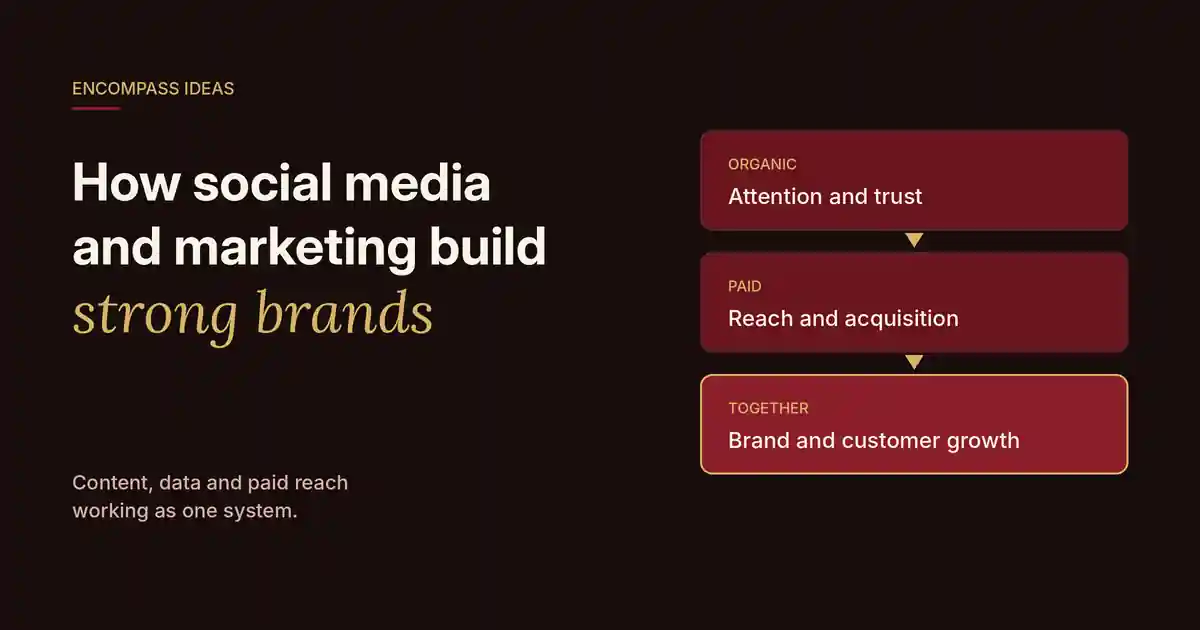
Offline expansion works best when online and offline feed each other. Use performance marketing to build local awareness before a store opens, retention marketing on WhatsApp and email to bring in-store buyers back, and a strong ecommerce experience so the website supports click-and-collect and store discovery.
For the strategy behind choosing channels, see our brand growth consulting .
The takeaway
Going offline is not a retreat from digital. It is a way to add trust and reach once the online business is healthy. The brands that do it well treat each store as a measured experiment, not a trophy.
Sources
Outlook Business, D2C brands expanding offline presence, leases 6 lakh sq ft in H1 2025: CBRE
Realty n More, Share of retail leasing by D2C brands more than doubles to 18 per cent in H1 2025