Can social media do more than sell products? For wellness brands, it can help people build healthier habits, correct misinformation and make better decisions about their wellbeing.
More and more consumers turn to Instagram Reels, YouTube explainers, LinkedIn insights and TikTok videos for wellness information. In response, wellness brands are moving away from aggressive sales messaging toward education-first content that builds trust and long-term relationships.
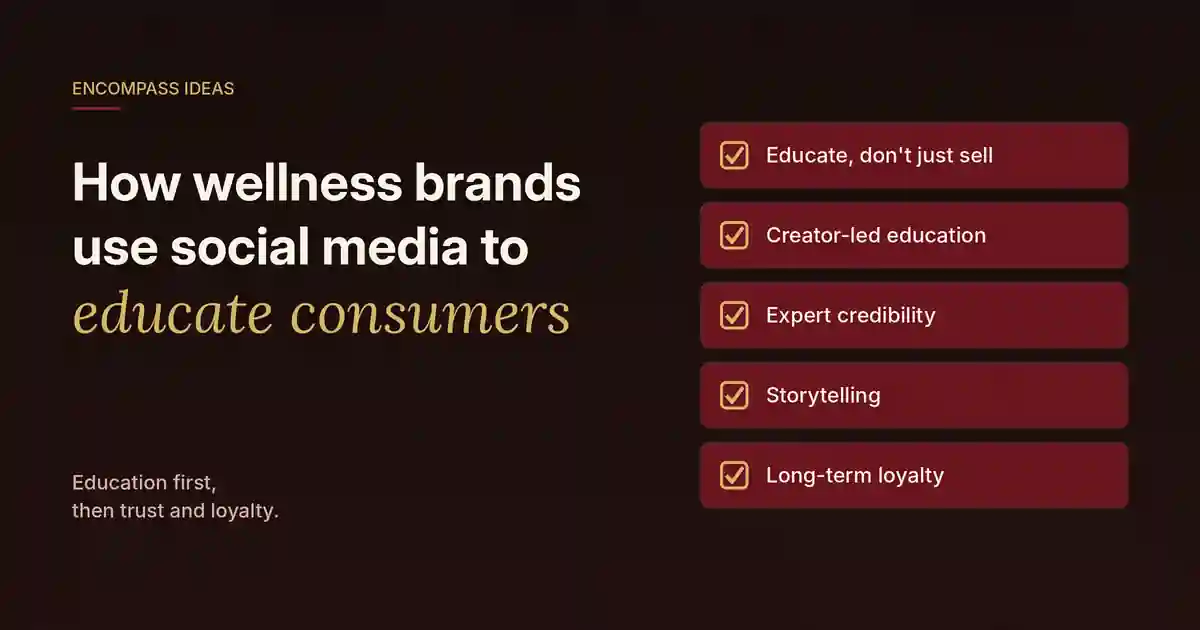
The Shift From Selling to Educating
Consumers now research products before they buy. They want to understand:
- How the product works
- What ingredients it contains
- Whether its claims are scientifically backed
- How it fits their lifestyle
- What results other people are seeing
Brands are answering with education-led formats such as:
- Educational carousels
- Expert-led videos
- Wellness podcasts
- Ingredient breakdowns
- Myth-busting content
- User testimonials with context
When people feel informed rather than pushed, they feel less pressure and more confidence in their choice.
Why Creator-Led Education Is Becoming More Powerful
Audiences increasingly look to relatable experts rather than polished advertising. Creators who educate their followers include fitness coaches, nutritionists, dermatologists, lifestyle influencers and wellness trainers.
Take protein powder. Instead of a straight sales pitch, a fitness coach might explain:
- When to take it
- How it supports muscle recovery
- Common myths
- Mistakes beginners make
The educational value comes first and the product second, which makes the message feel more authentic. Explore influencer and UGC marketing to see how this can work for your brand.
Creating bite-sized educational content
Complex wellness topics are easier to absorb in short formats such as:
- Infographics
- Reels
- Quick wellness tips
- Before-and-after educational stories
The point isn't format variety for its own sake. Information people can understand feels more relevant, and that builds trust.
Building Credibility Through Experts
Misinformation is one of the biggest challenges in wellness marketing. Brands can counter it by collaborating with:
- Nutritionists
- Fitness experts
- Dermatologists
- Medical professionals
- Wellness educators
Expert-led sessions, live Q&As and industry collaborations all add credibility. Brands that consistently share evidence-based educational content can become thought leaders, not just product sellers.
How storytelling works in wellness marketing
Facts inform, but stories connect. Strong wellness storytelling draws on:
- The founder's personal journey
- Customer transformations
- Personal wellness challenges
- Behind-the-scenes product development
- Recovery journeys
In health and personal care, these stories build emotional trust. Beauty, wellness and skincare brands are a core part of the work we do at Encompass Ideas, and you can see some of it in our case studies .
Why educational content builds long-term loyalty
Education isn't a passing trend. It's a long-term growth strategy built on trust, transparency, emotional connection and honest storytelling. Creator content can drive engagement and purchase intent, but lasting success depends on authenticity.
Final Thoughts
Wellness is increasingly driven by information, trust and community, not products alone. Brands that combine expert-led content, storytelling and real community conversations through a considered social media and content strategy are the ones people will listen to.
The question is: which brands will earn consumers' attention tomorrow?
Where to go next
Education is one part of a wider growth system. Read How Digital Marketing Services Help Businesses Build Long-Term Growth , or see how content fits a funnel in Social Media Funnels That Actually Convert .